 English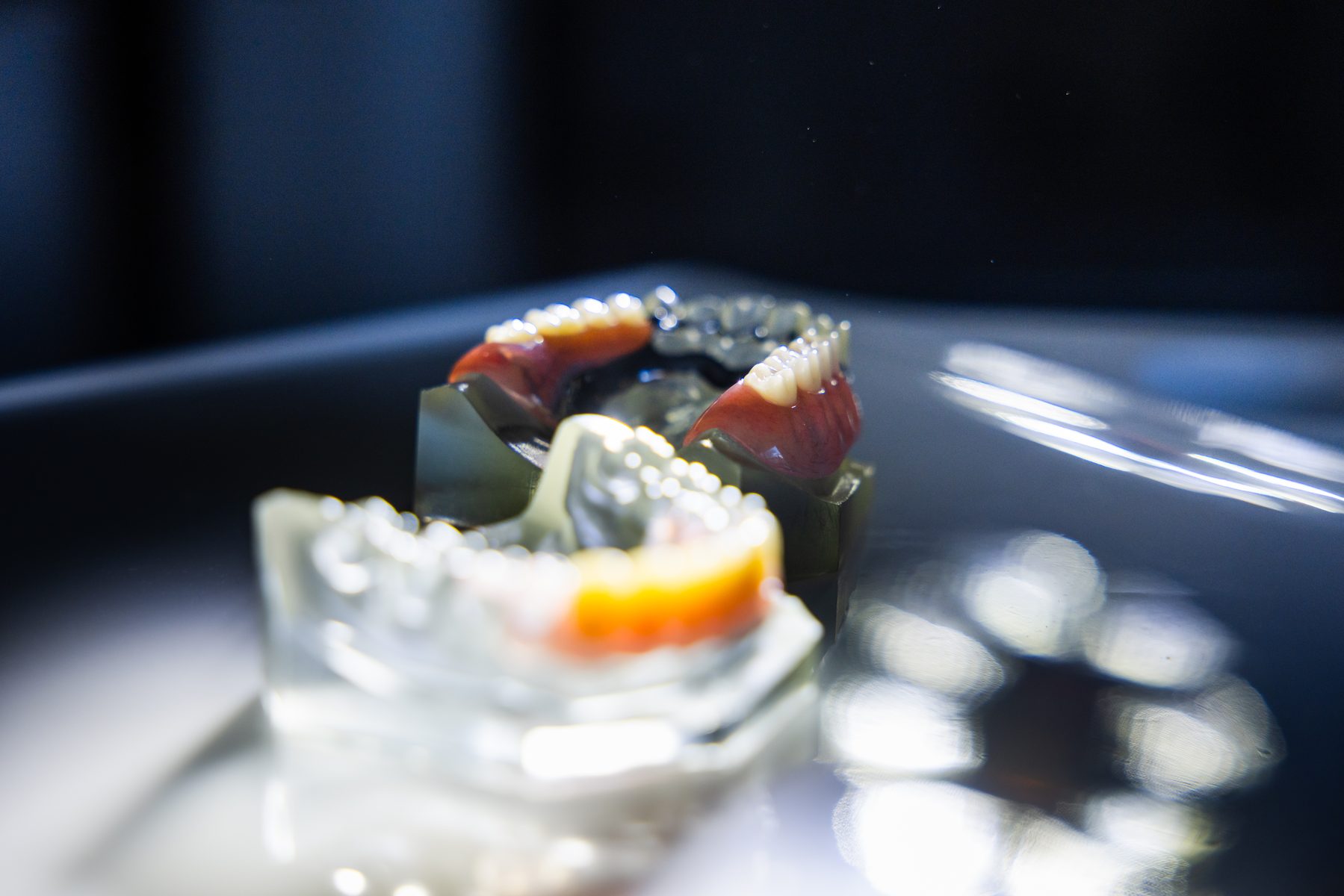
Compare high-quality restorations clearly
The material's name alone is not decisive. Ask how findings, function, appearance, care and aftercare fit together in the proposed plan.
- Which alternatives were assessed, and why is a particular restoration proposed?
- Which services, materials and laboratory items are included in the cost plan?
- Which adjustments and check-ups are planned?
- How can treatment appointments and later care be organised when travelling from Switzerland?
The practice is in Germany. Information on German health insurance benefits does not automatically apply to Swiss insurance policies. Go to individual restoration planning at MeinZahnarzt.
Which restoration is suitable?
The appropriate restoration depends on the number of missing teeth, the condition of neighbouring teeth, bone, bite and personal wishes. The entire oral situation is therefore considered, as well as the individual area of missing teeth.
The aim is a clinically sound solution that is easy to care for and practical in everyday life. This also includes which repairs or adjustments may be possible later.
Possible restorations
- Crowns when a tooth is severely damaged but can be preserved.
- Bridges when individual gaps are to be restored using neighbouring teeth.
- Partial or complete dentures when several or all teeth need replacing.
- Telescopic dentures for removable restorations with secure support.
- Implant-supported restorations when implants can serve as stable supports.
Appearance, function and care
Restorations are subjected to daily loads. They must suit the bite, avoid unnecessary gum irritation and be designed to allow cleaning. Appearance also plays a major role, particularly in the visible area.
Transparent planning helps explain the benefits and drawbacks of each option. Patients should know why a restoration is recommended and which alternatives are available.
In combination with implants
When natural teeth are missing or insufficiently strong, Implants can be assessed as additional supports. For removable restorations, a Telescopic denture may be a suitable option. The Preventive care helps regularly check remaining teeth, gums and restorations. Anyone wanting to know the steps required before implant restoration can find the overview Implants: process and planning.
The restoration treatment process
- Findings and consultation Teeth, gums, bite, existing restorations and personal wishes are recorded.
- Compare restoration options Crowns, bridges, dentures, telescopic dentures or implant-supported solutions are discussed with their benefits and drawbacks.
- Planning with the dental laboratory Shape, colour, material and function are planned so the restoration remains practical in everyday life.
- Treatment and cost plan For patients with statutory insurance, the planned restoration is submitted to the health insurer for assessment.
- Fitting and check-up After fitting, stability, bite and cleanability are checked and adjusted if needed.
Costs and insurance information
Costs depend on findings, material, scope and type of restoration. Statutory health insurers use findings-based fixed subsidies for restorations; the patient's contribution depends on the chosen restoration and approved treatment and cost plan. Private insurers, supplementary insurers and civil-service healthcare assistance assess services according to the policy and individual case. Specific amounts can responsibly be stated only after examination and planning.
Restoration planning in Lörrach-Stetten
MeinZahnarzt is on Basler Straße in Lörrach-Stetten. Good preparation helps patients from Weil am Rhein, Grenzach-Wyhlen, Rheinfelden, Basel and Wiesental: existing dentures, older treatment and cost plans, X-rays or dental check-up records can assist the consultation.
Dental restoration FAQ
Which restoration is right?
This depends on the findings, neighbouring teeth, gums, cleanability and personal requirements. Alternatives are therefore compared before deciding.
What is the difference between a crown, bridge and denture?
A crown stabilises an existing tooth, a bridge replaces a gap using neighbouring teeth or implants, and a removable denture replaces several or all teeth.
What is a treatment and cost plan?
A treatment and cost plan describes the findings and planned restoration. It allows the health insurer to assess the fixed subsidy for patients with statutory insurance.
How long do restorations last?
This depends on material, bite load, care, check-up appointments and the health of teeth and gums. Regular aftercare helps detect problems early.
Can restorations look natural?
Yes, colour, shape and material can be planned to make the restoration look as harmonious as possible. Function, durability and cleaning must also be right.
Can existing restorations be adjusted?
Sometimes adjustment or repair is possible; sometimes replanning is more appropriate. This can be assessed only after checking fit, material and the dental situation.
Personal advice and detailed treatment information: MeinZahnarzt in Lörrach-Stetten.